Stay up to date!
Be the first to know about discounts and promotions

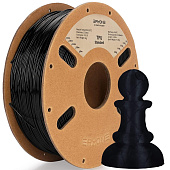
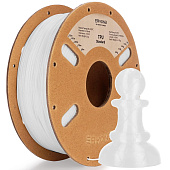
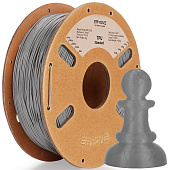
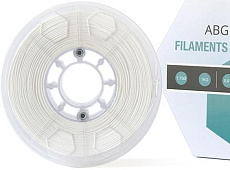

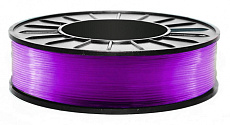
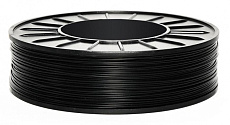
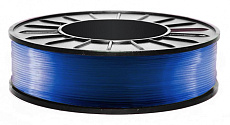
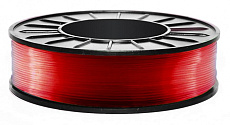
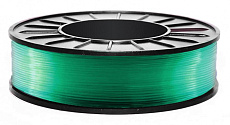
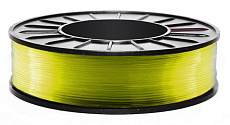
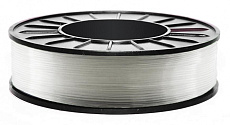
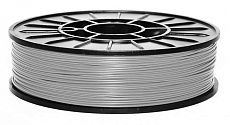
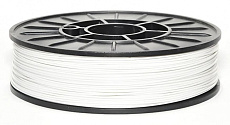
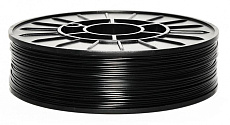
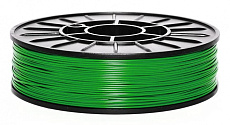
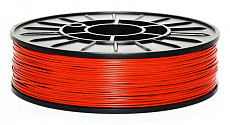
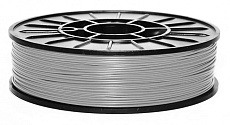
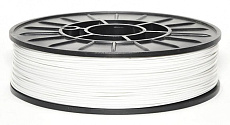
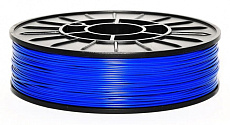
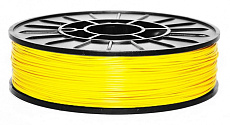
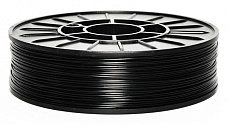
Before planning and printing your model, take into account, that parts of FLEX/TPU are difficult to glue together or securely stick them to something else. It is almost impossible to prime, paint, or polish it with a top cover.
| FLEX/TPU properties | |
| Vicat softening temperature | 95°C |
| Operating temperature | -40°C to +80°C |
| Elastic modulus | 15.3 MPa |
| Elongation at break | 550% |
| Tensile strength | 50 MPa |
| Density | 1.21 g/cm3 |
| Melt flow rate | 3-6 g/10 min |
| 3D printer settings for printing with FLEX | |
| Nozzle temperature | 200°C-240°C |
| Platform temperature | 0°C-60°C |
| Nozzle diameter | 0.2mm, 0.3mm, 0.4mm |
| Enclosed printer | not required |
| Chamber temperature (if enclosed) | 45°C |
| Printing speed | 20-30 mm/s |
| Fan | Recommended |
| Rollback speed | 20 mm/s |
| Rollback distance | 1 mm |
| Dry FLEX/TPU filament | |
| Drying temperature | 80°C |
| Drying time | 1–2 hours |
To succeed with 3D-printing TPU, you need to remember the following rules:
- Keep filament in vacuum container to prevent it from absorbing moisture from the air;
- Use enclosed 3D printer to contribute to the slow cooling of the model, which prevents deformation and shrinkage of the material during printing.